
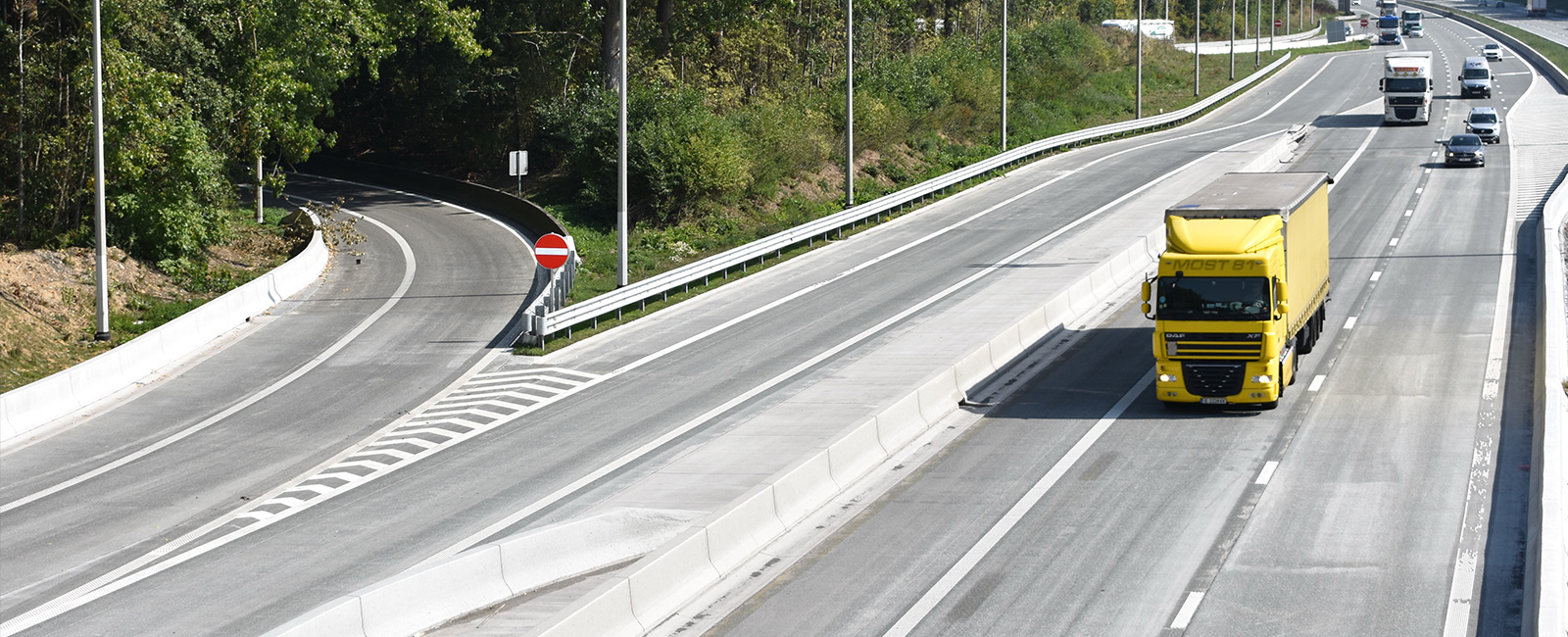
Highlights from EU Event “The role of concrete paving in military mobility”
15/12/2025
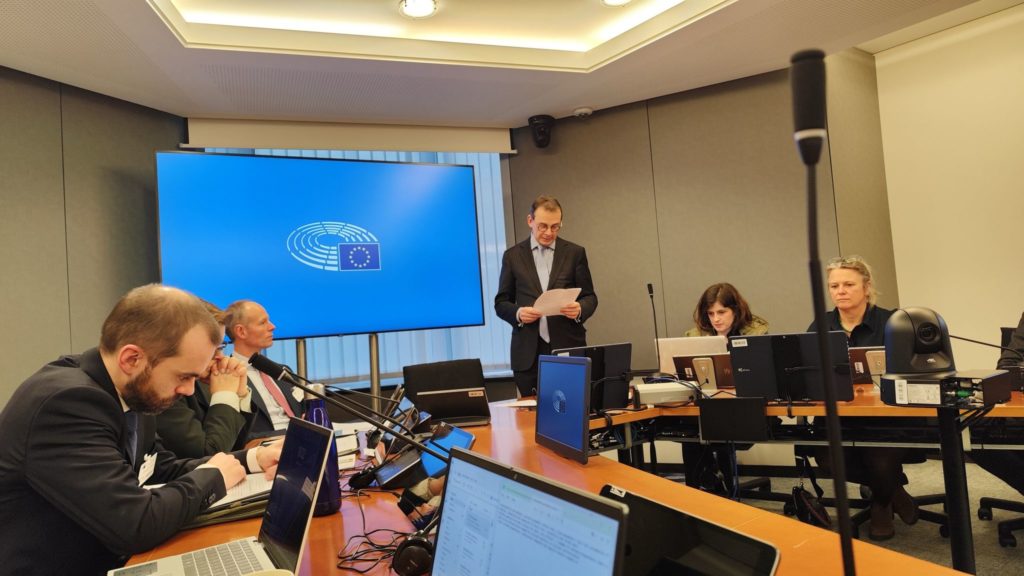
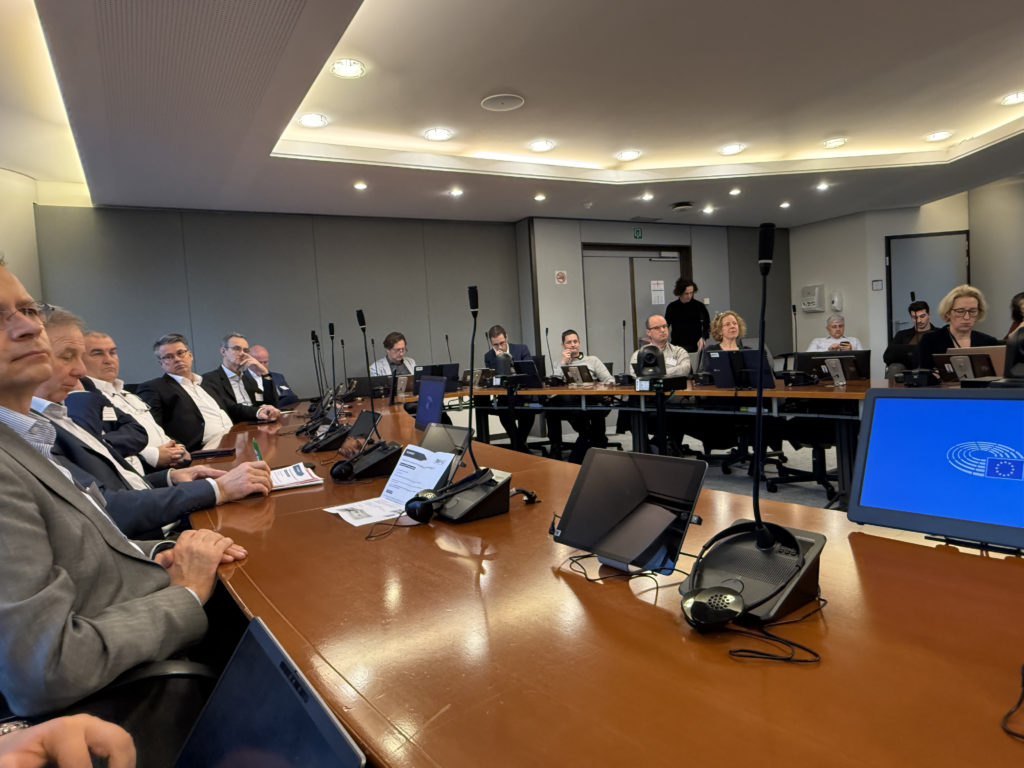
On Tuesday 9 December 2025, EUPAVE organised an EU event on “The role of concrete paving in military mobility” hosted by MEP Wouter Beke. The event gathered around 30 participants, including EUPAVE Members and Partners, as well as stakeholders from EU institutions, defence and transport organisations.
The event focused on how durable, high-performance concrete pavements can support Europe’s military mobility, while also serving civilian transport and the wider economy.
Military mobility: a growing EU priority
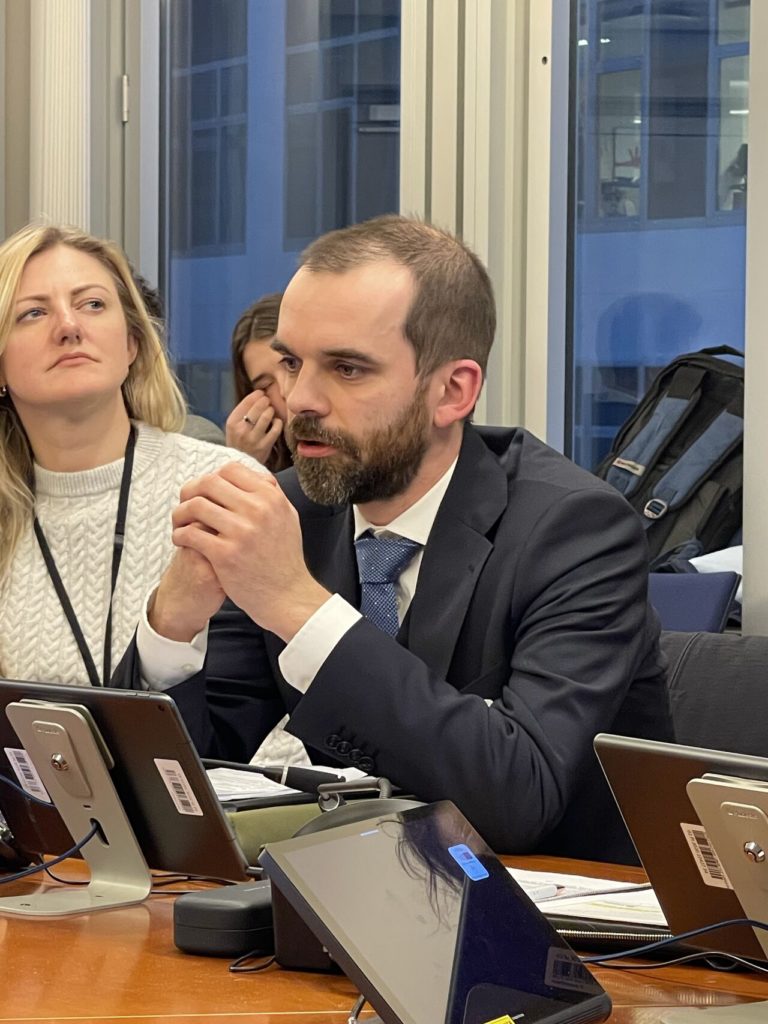
The event was opened by MEP Wouter Beke, who underlined that military mobility has become a key priority for Europe’s security. He stressed that Europe’s ability to move troops, equipment and supplies quickly across the continent is essential for credibility, deterrence and preparedness.
He referred to the EU Defence Readiness Roadmap 2030, where military mobility is identified as a priority area, and highlighted the need for concrete solutions on the ground, including resilient and reliable infrastructure. He also emphasised the importance of civil–military and public–private cooperation, as most military movements rely on civilian, dual-use infrastructure.
The role of concrete pavements
Hervé Camerlynck, Managing Director of EUPAVE, highlighted the advantages of concrete pavements, such as durability, high load-bearing capacity and long service life. He explained why concrete is particularly suitable for dual-use infrastructure, able to support heavy military vehicles while reducing long-term maintenance needs.
Infrastructure, strategy and implementation
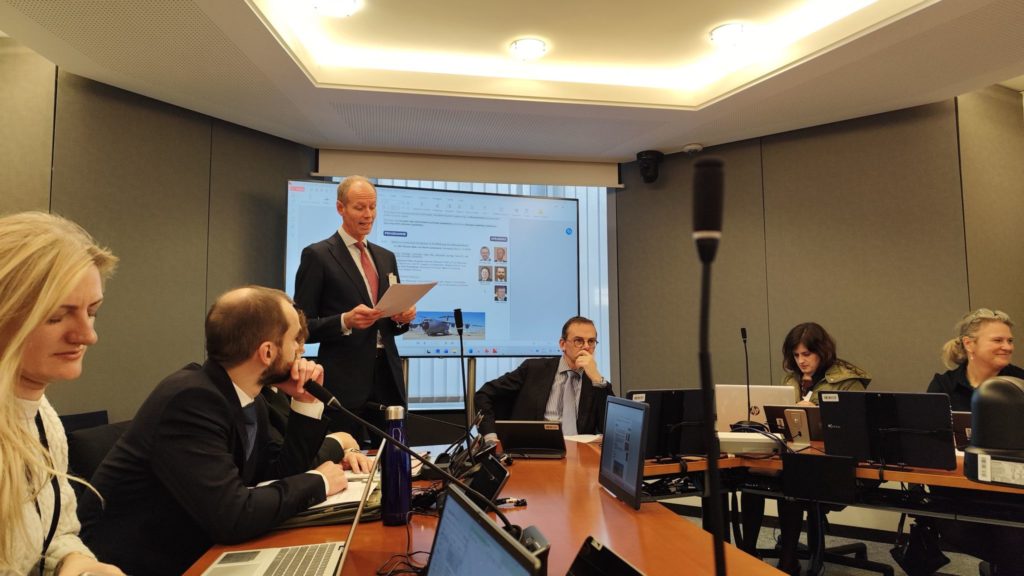
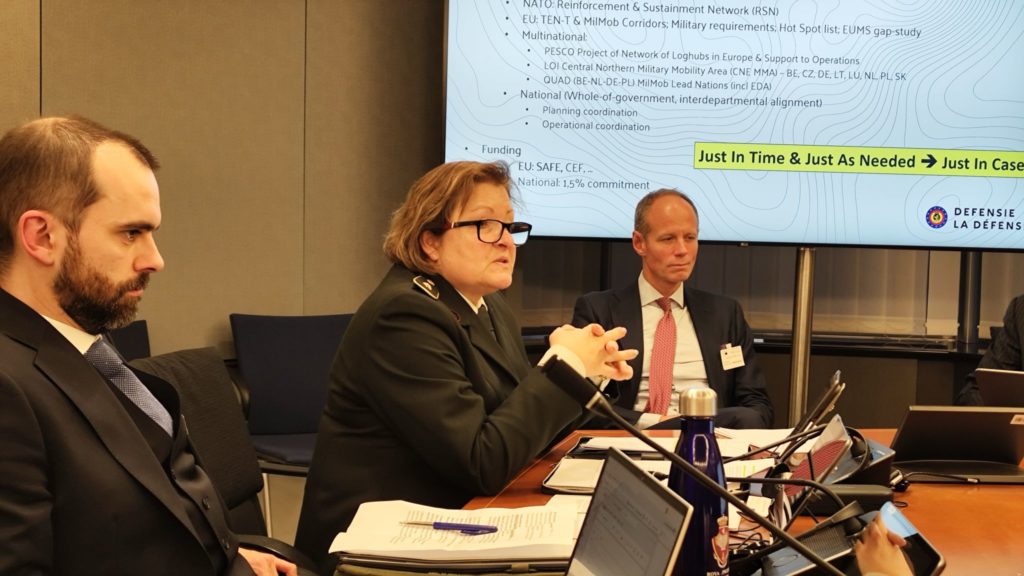
The presentation by Katrien D’Hert, Brigadier General, Assistant Chief of Staff Readiness and Operations, DACOS Support & Enablement, Belgian Defence and Simon Van Hoeymissen, Researcher at Royal Higher Institute for Defence, Belgian Defence focused on the strategic role of infrastructure. They explained how Military Mobility Corridors support operational effectiveness, cohesion and security, while also requiring resilience, as infrastructure can be a high-value target.
They also presented ongoing efforts at EU, NATO, multinational and national levels, including TEN-T, PESCO projects and funding instruments such as CEF and SAFE. The speakers highlighted the need for better coordination and for industry to prepare for increased military mobility requirements.
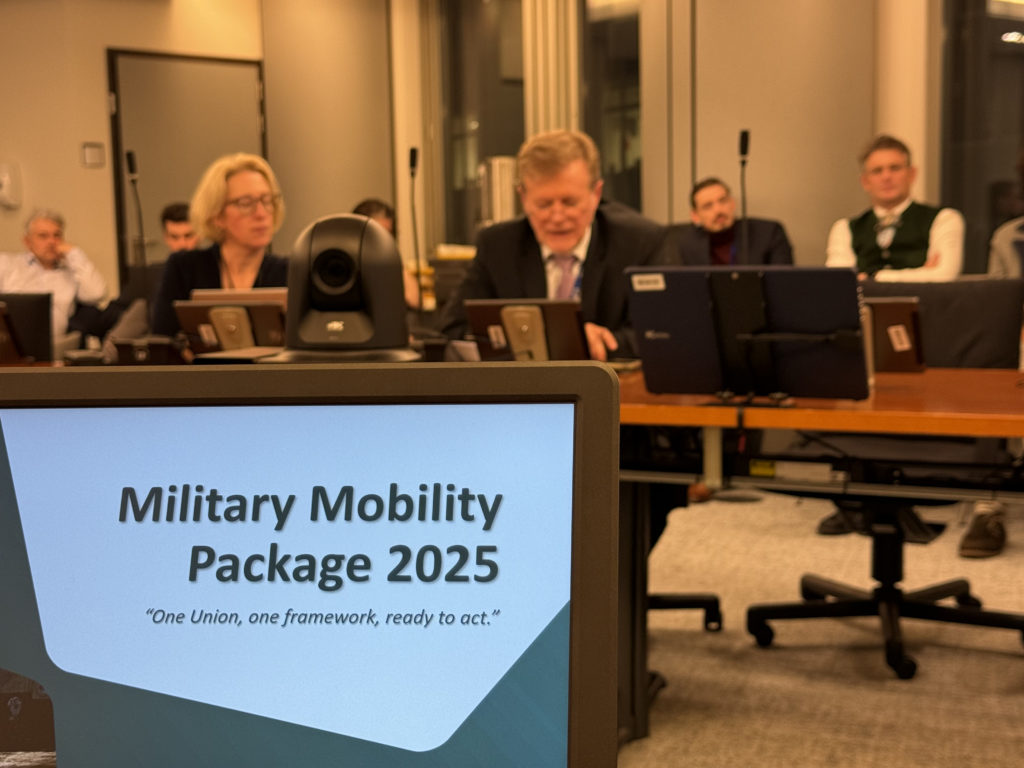
EU Military Mobility Package
The final presentation by Arūnas Vinčiūnas, Head of Unit A.2 at DG DEFIS (European Commission), presented the EU Military Mobility Package. The aim is to create an EU-wide Military Mobility Area by 2027, by removing regulatory barriers, strengthening dual-use infrastructure and improving cooperation, including with NATO.
Conclusions
In his closing remarks, MEP Wouter Beke stressed that political ambition now needs to be followed by action and implementation. He highlighted the importance of targeted investments, simpler rules and strong cooperation between public authorities and industry.
The event confirmed that resilient concrete infrastructure can play an important role in strengthening Europe’s military mobility, while delivering long-term benefits for civilian transport and society.

Copyright © 2026 | EUPAVE | Privacy policy | General term of use ALYS